Photography
Insights
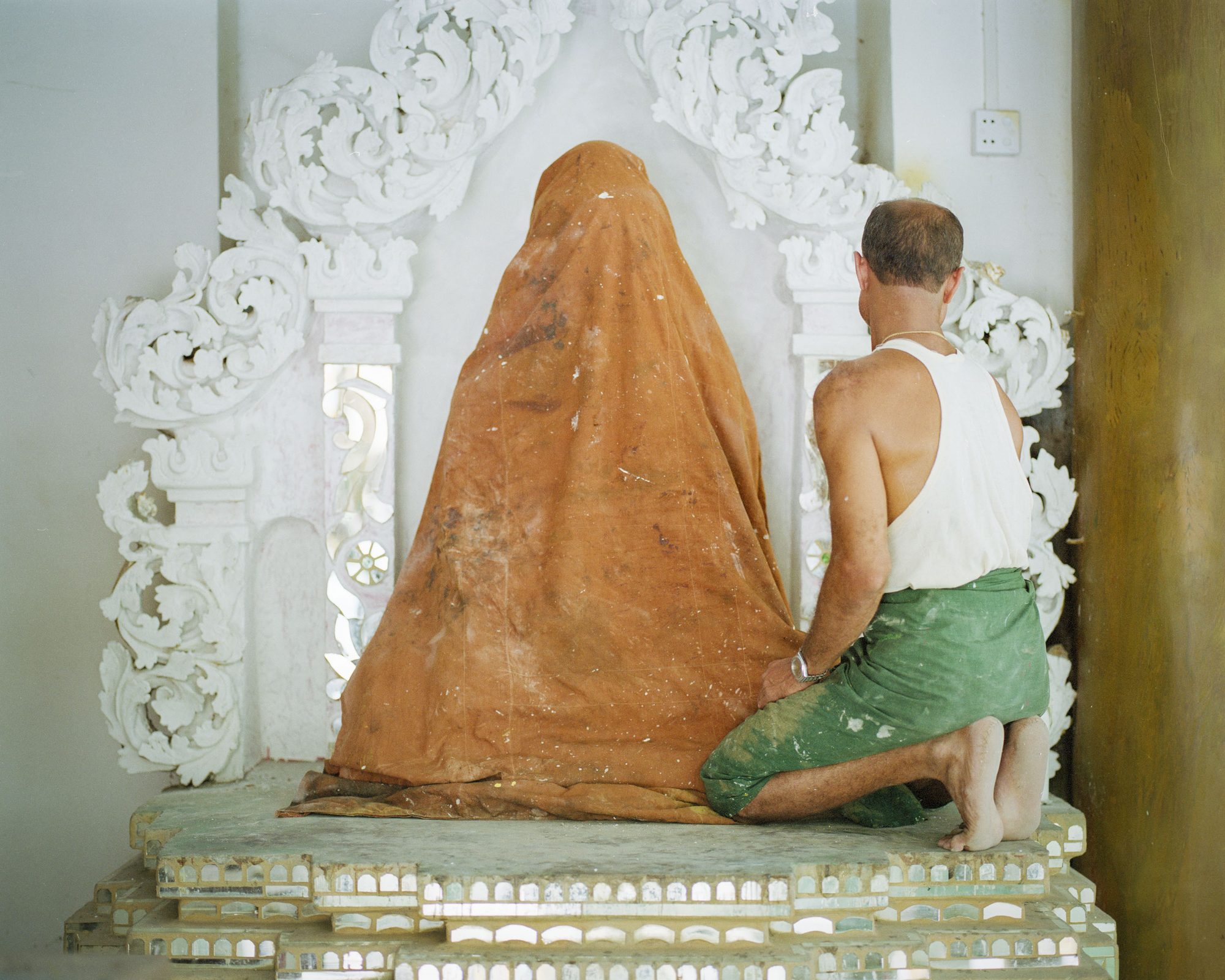
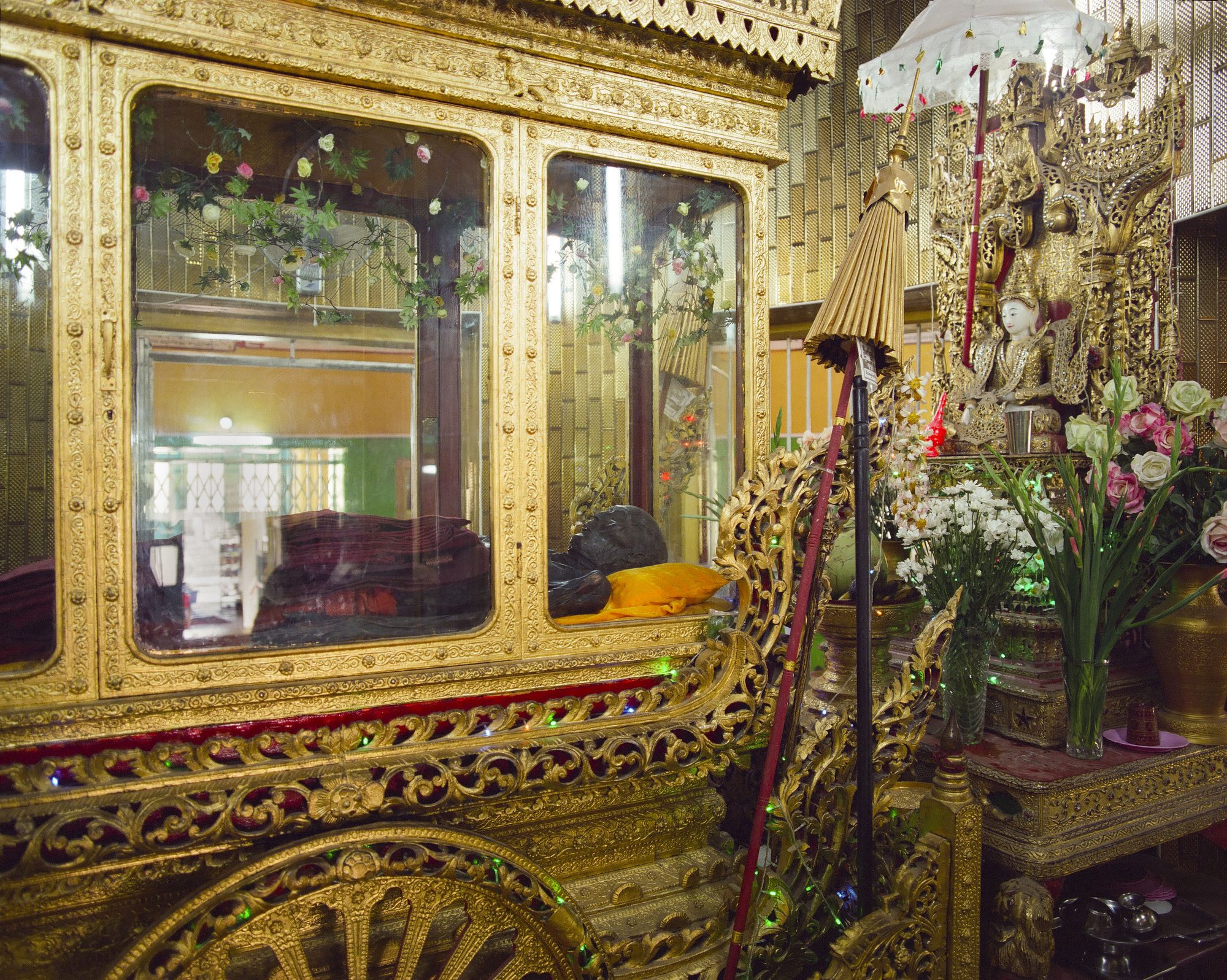
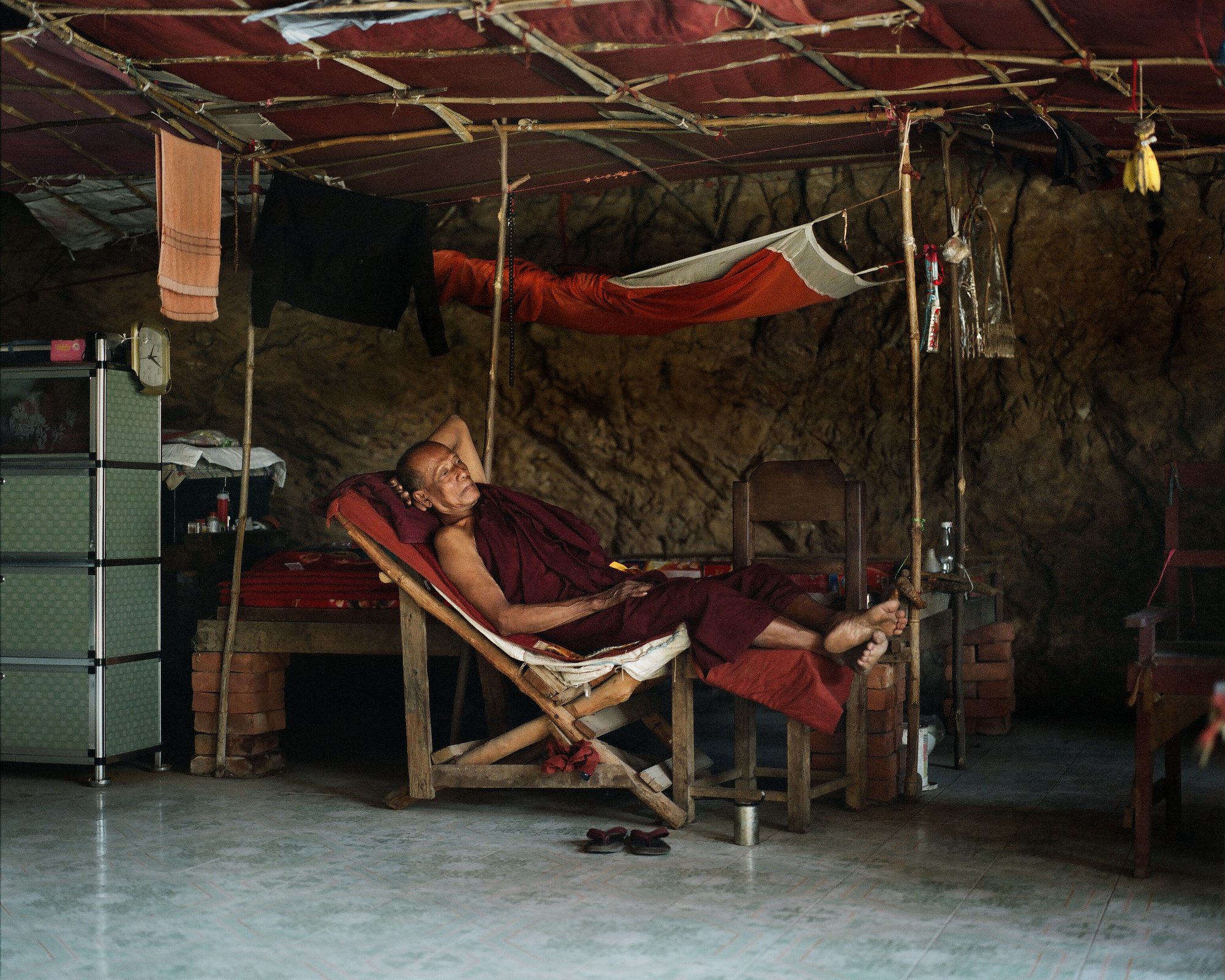
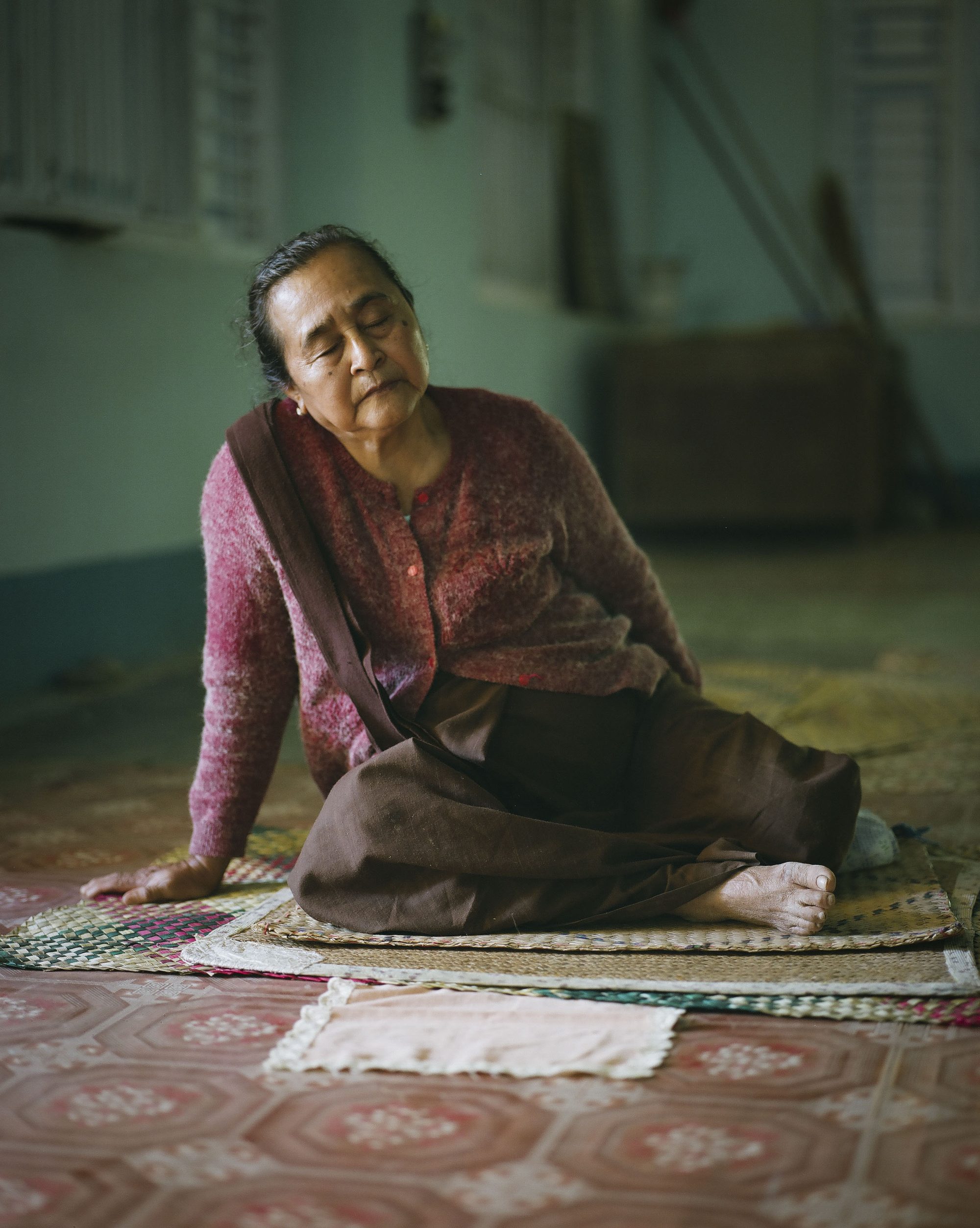
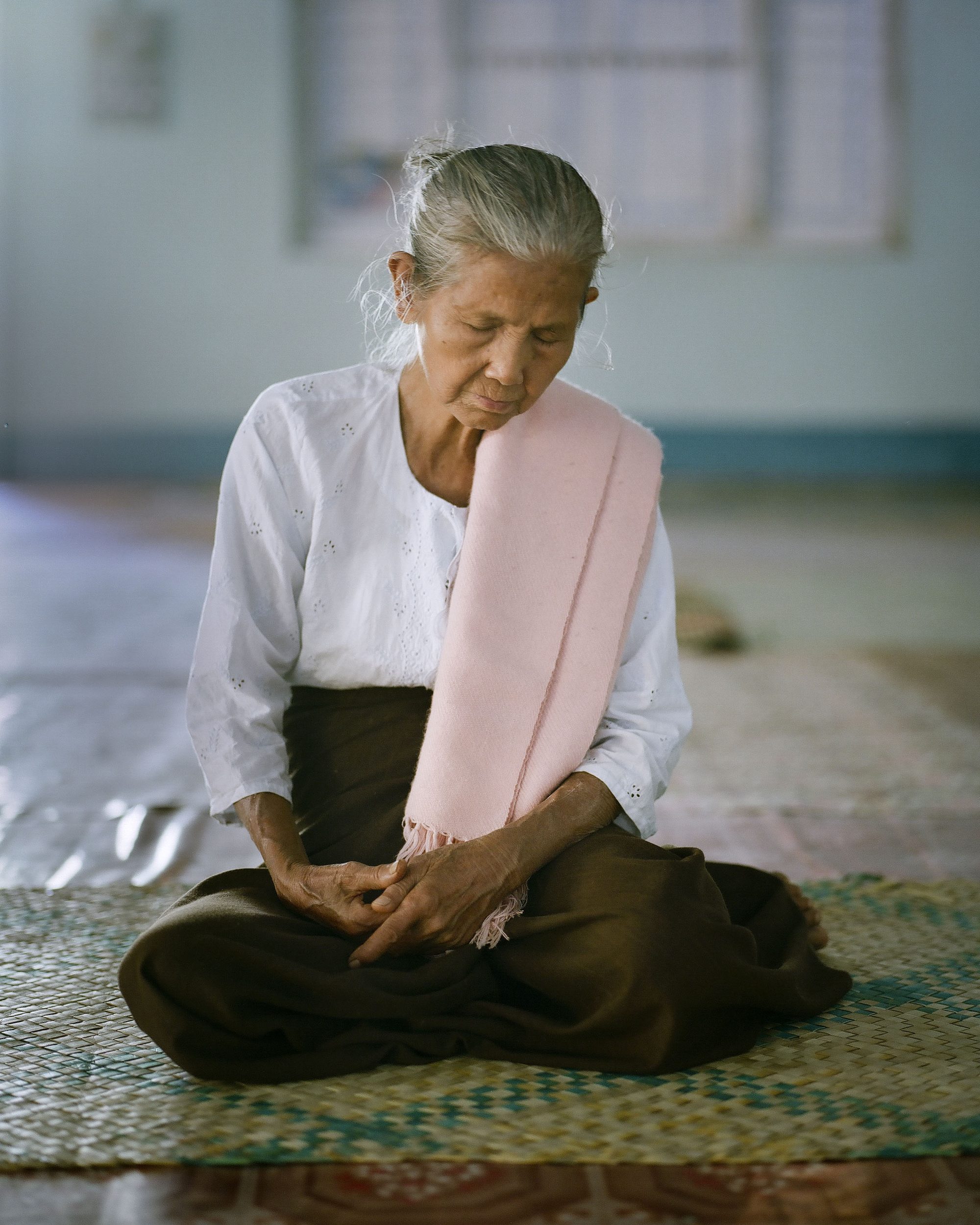
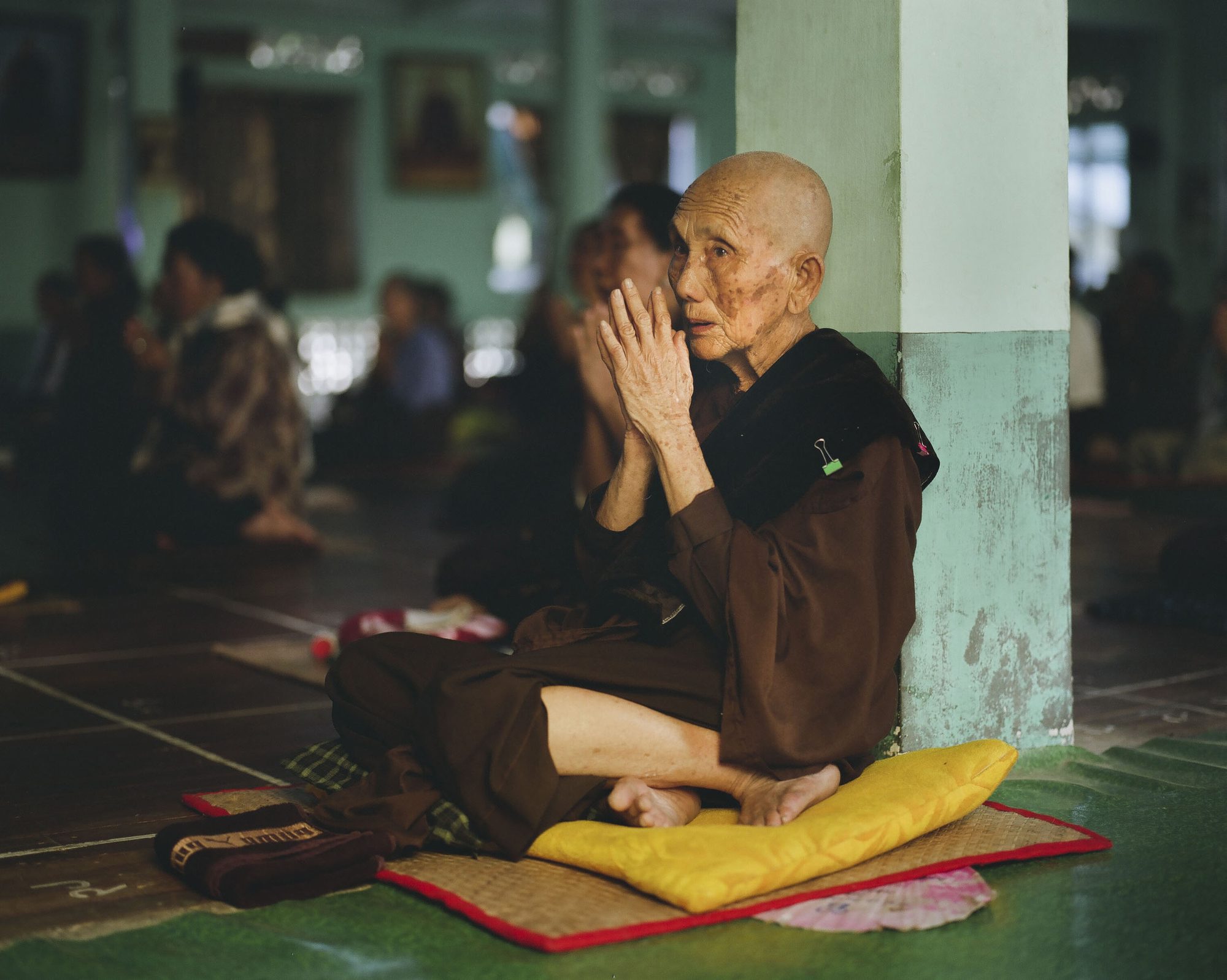
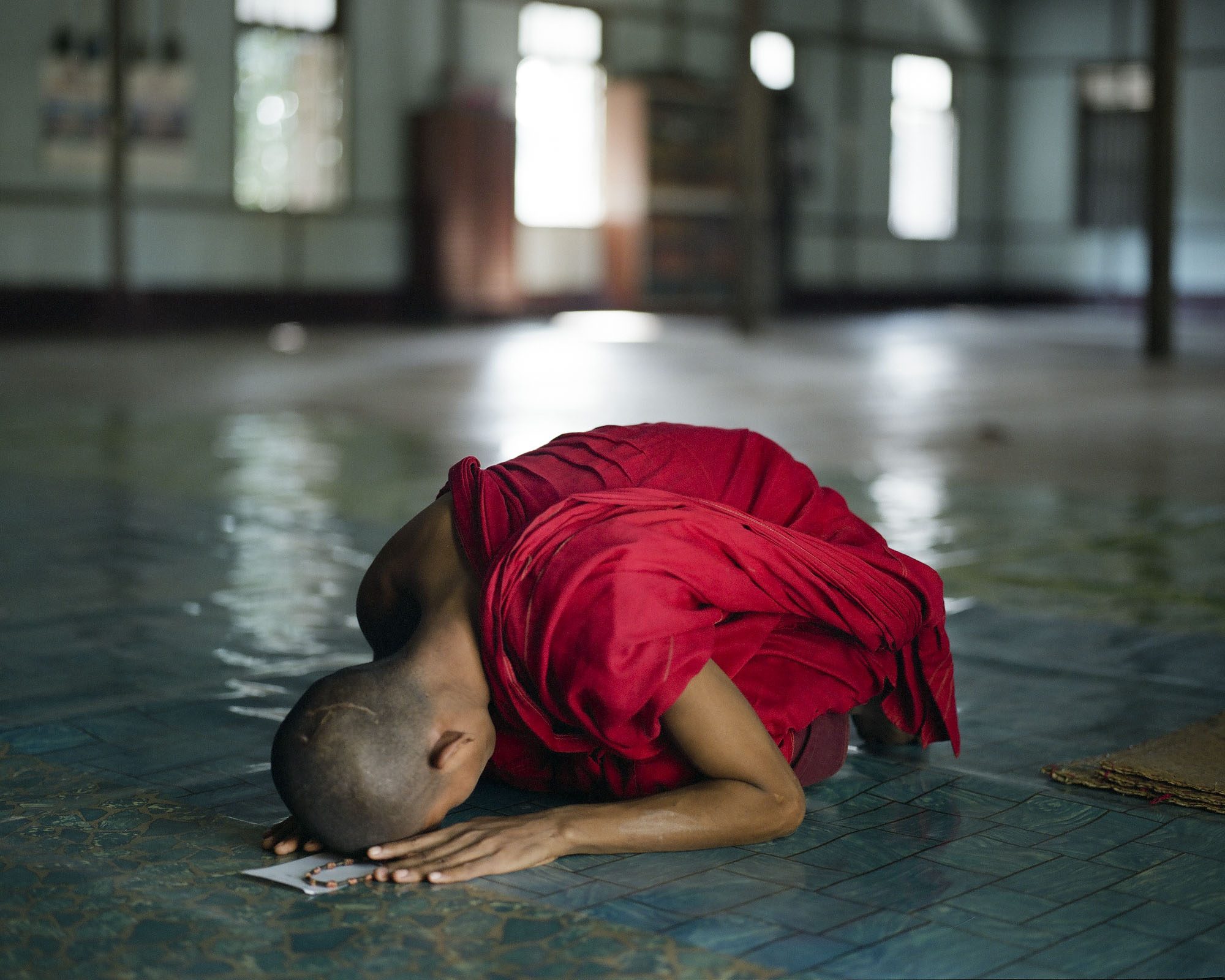
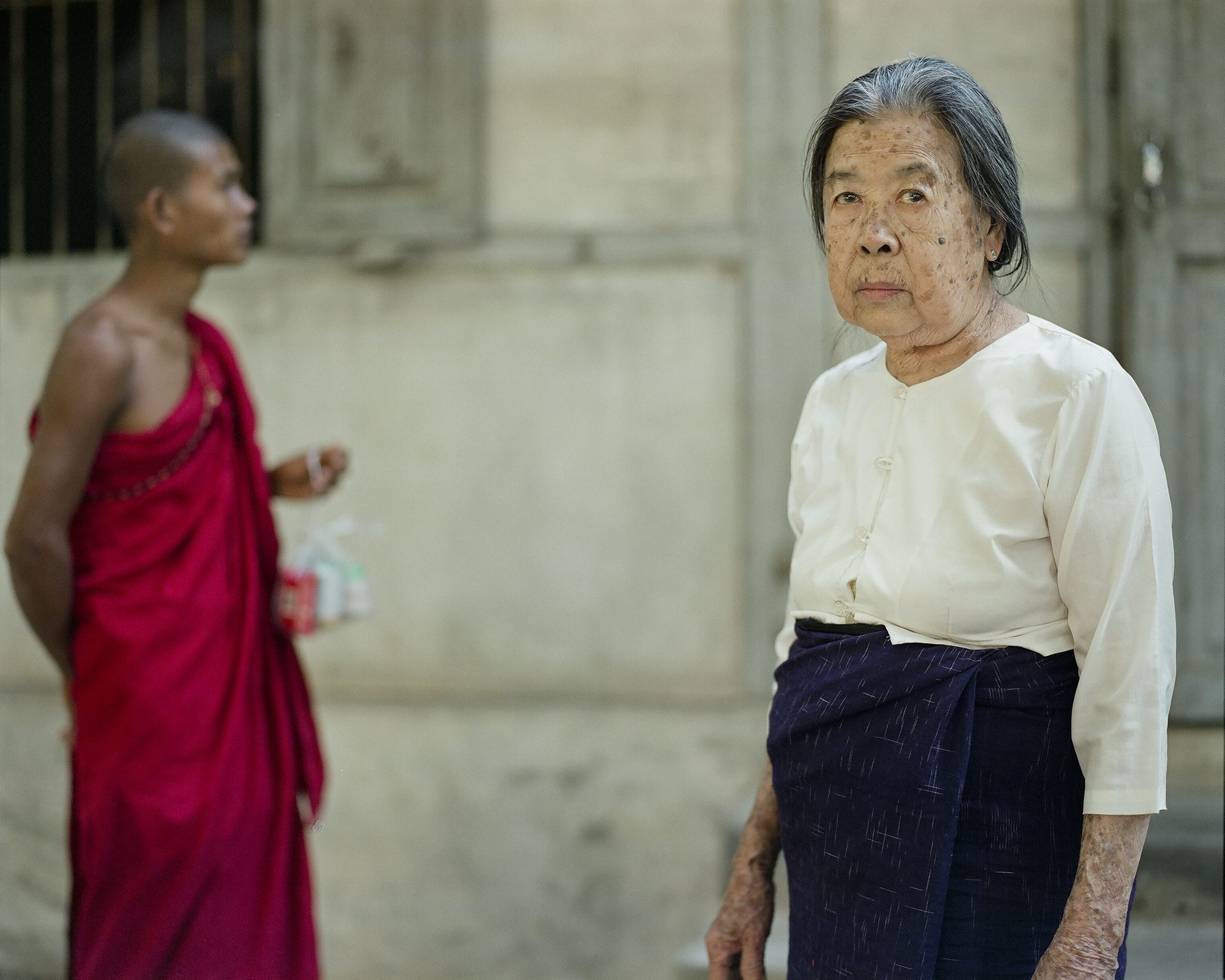
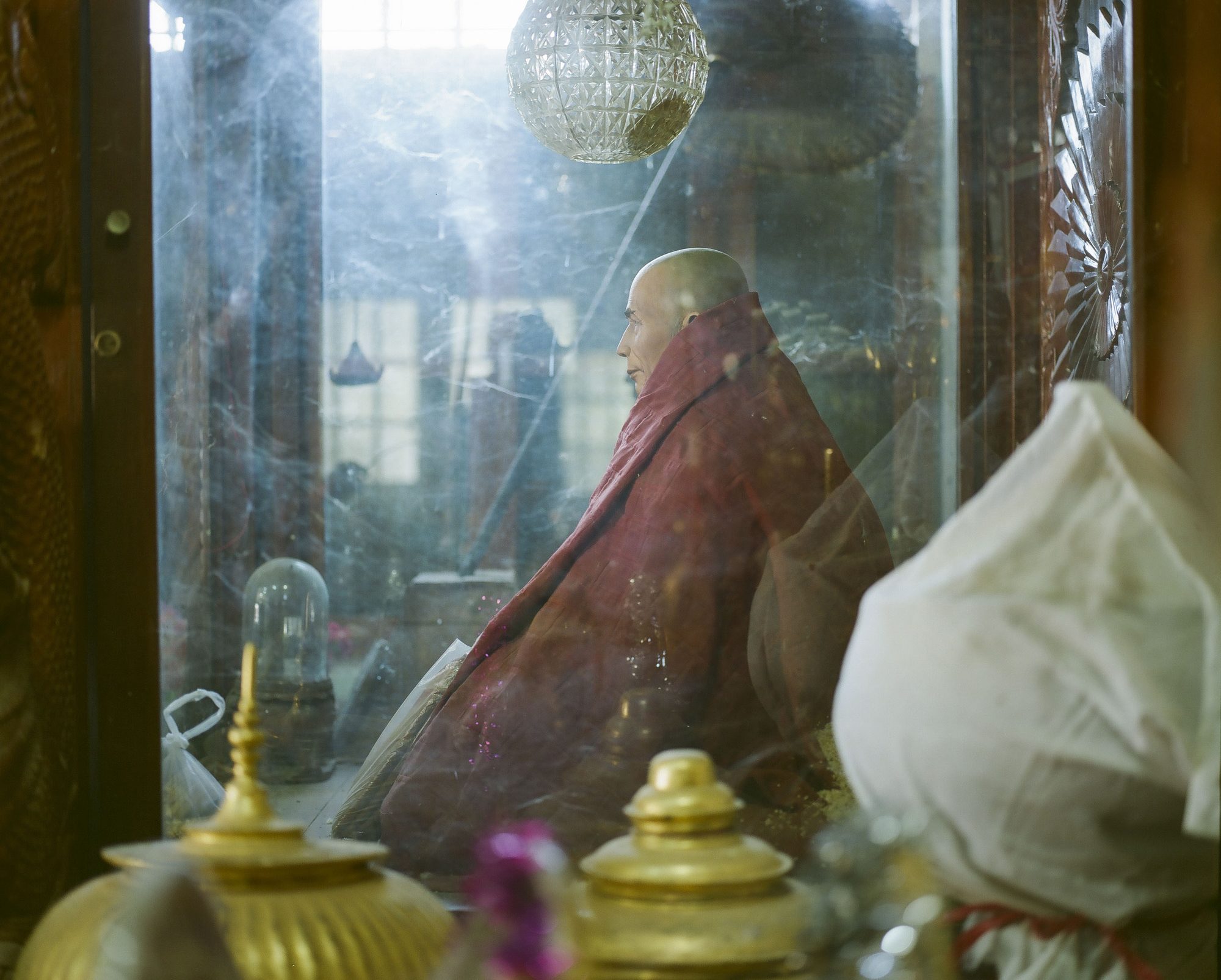
The image taken as an act of worship. From a Buddhist point of view, a portrait is fundamentally different from an image of the Buddha, which is always aimed at guiding us towards liberation. Its source lies in transcendence, beyond any physical or psychological representation.
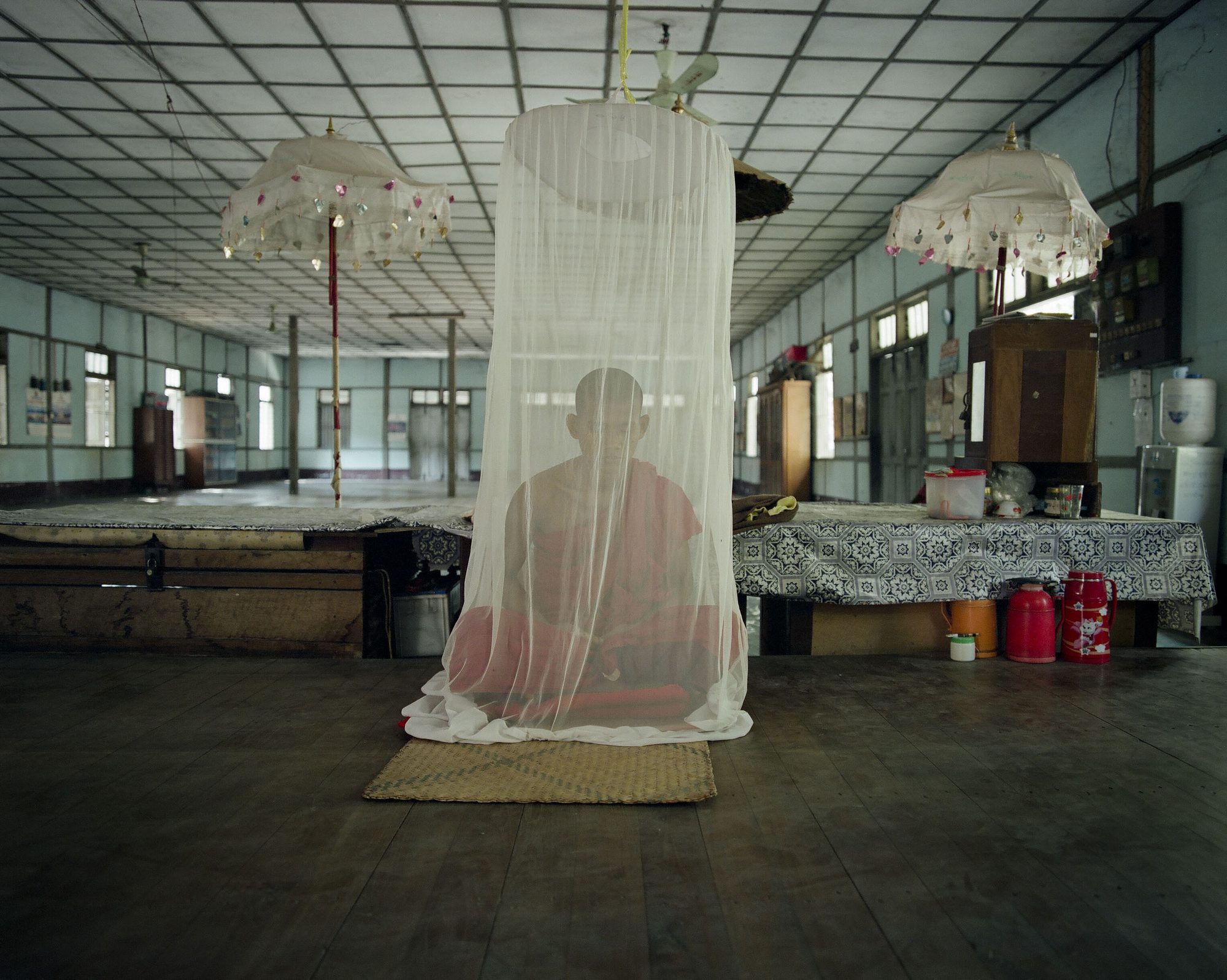
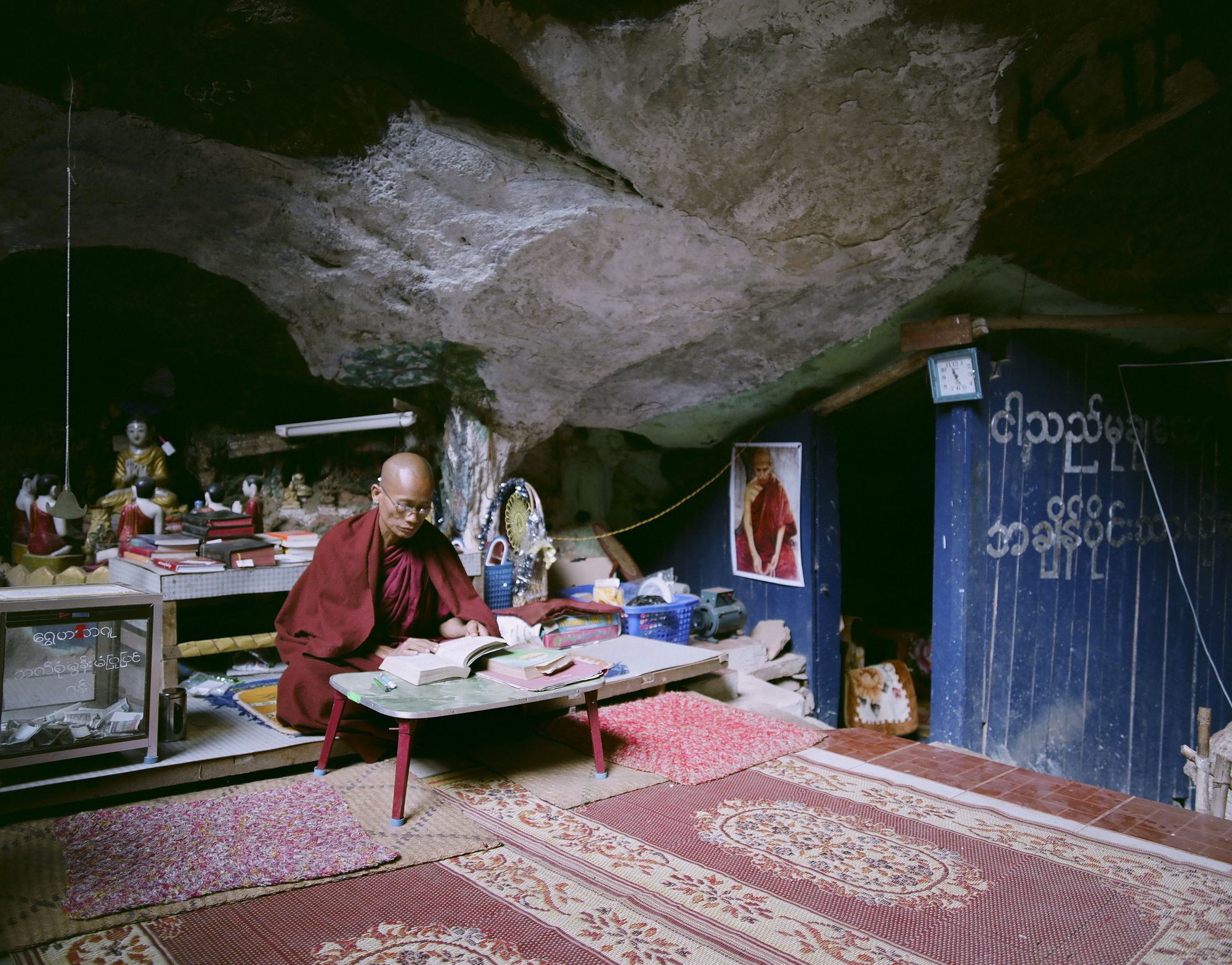
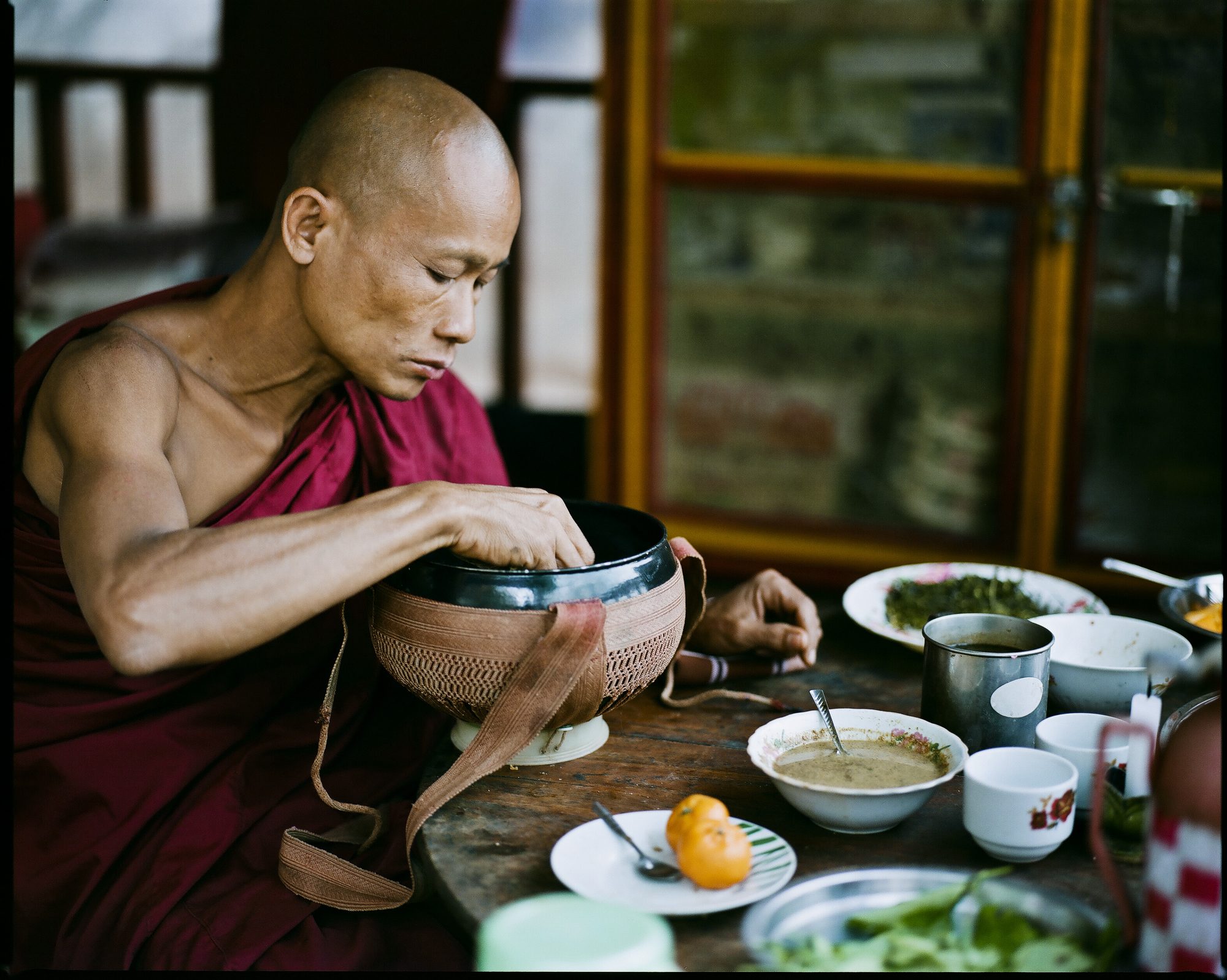
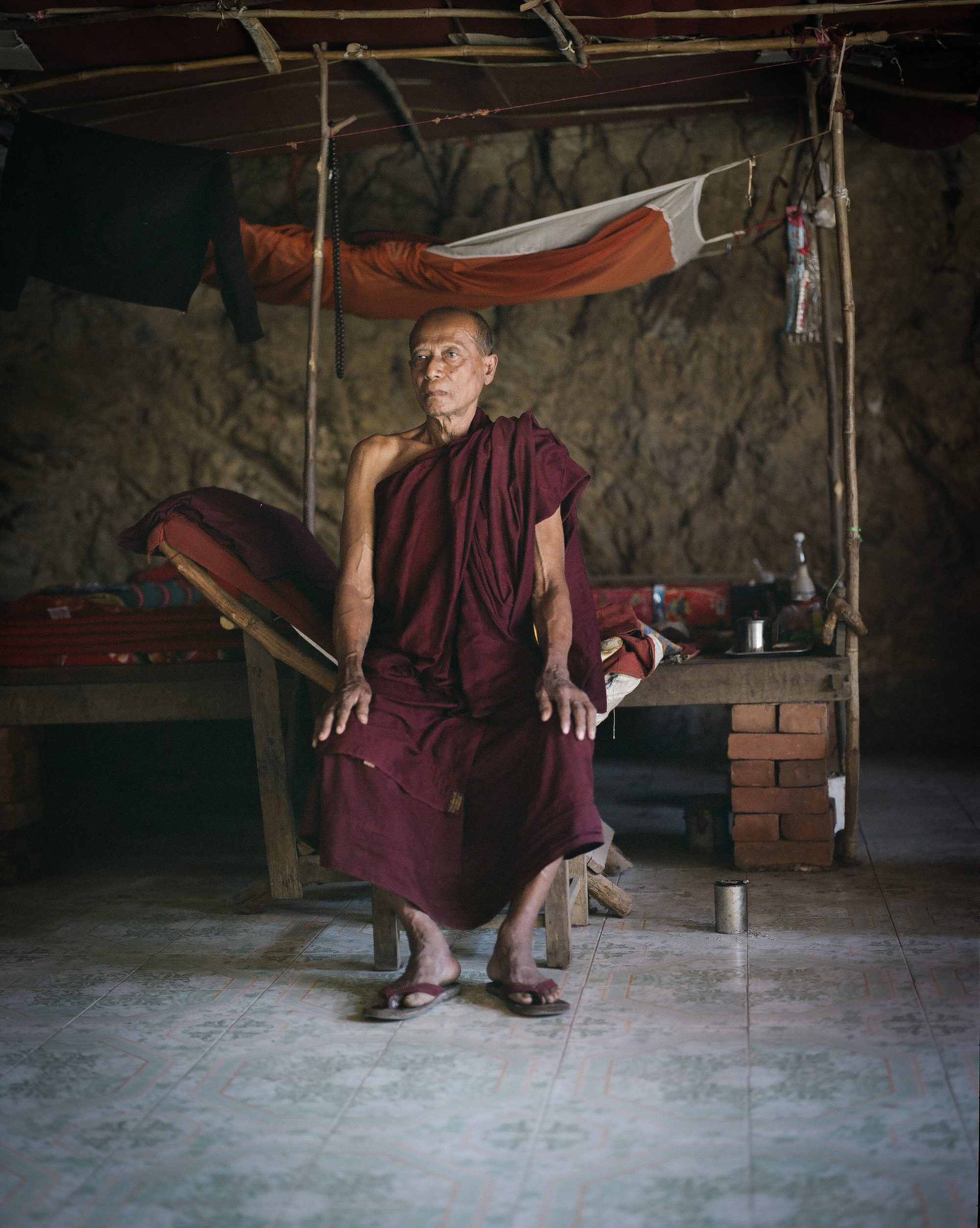
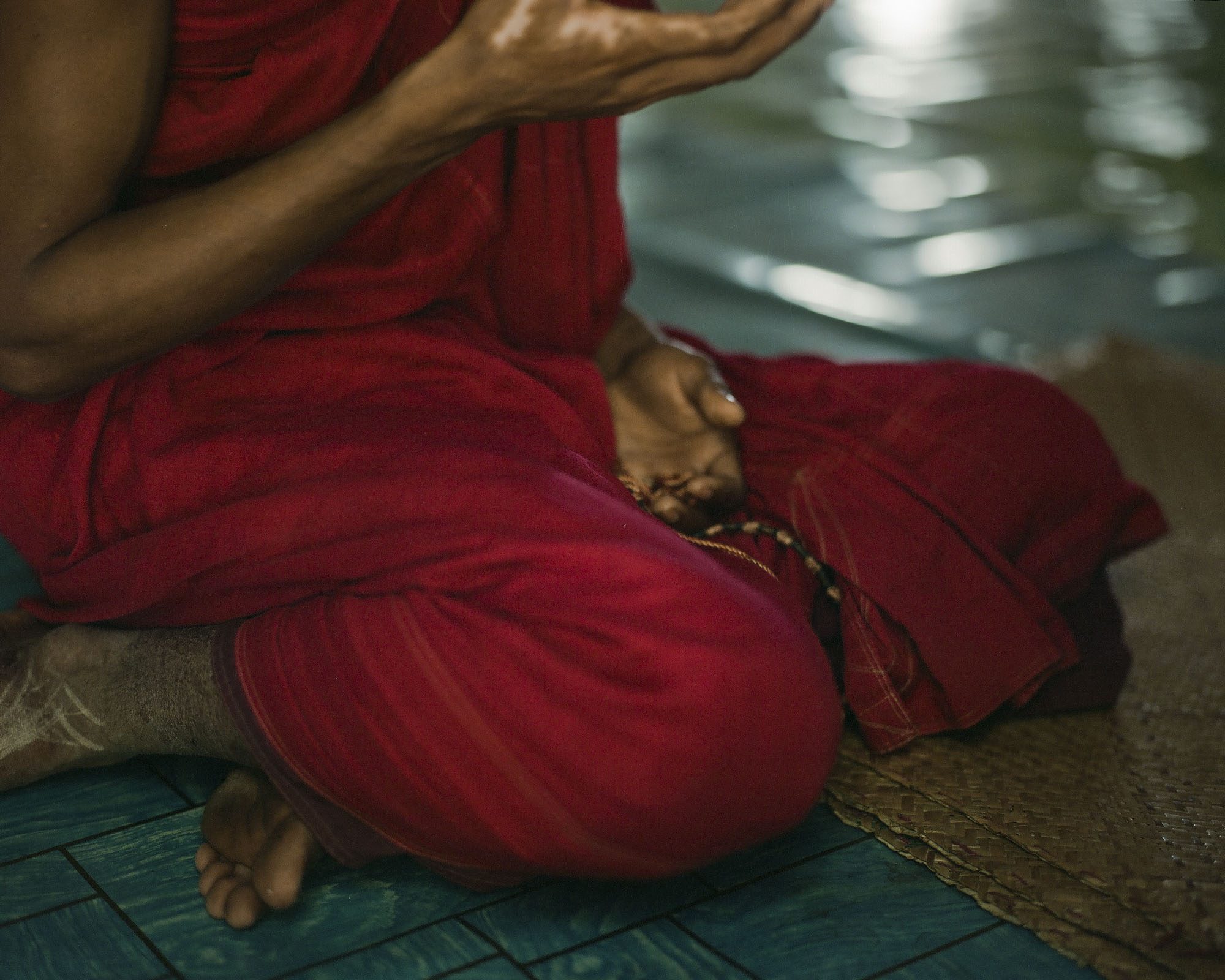
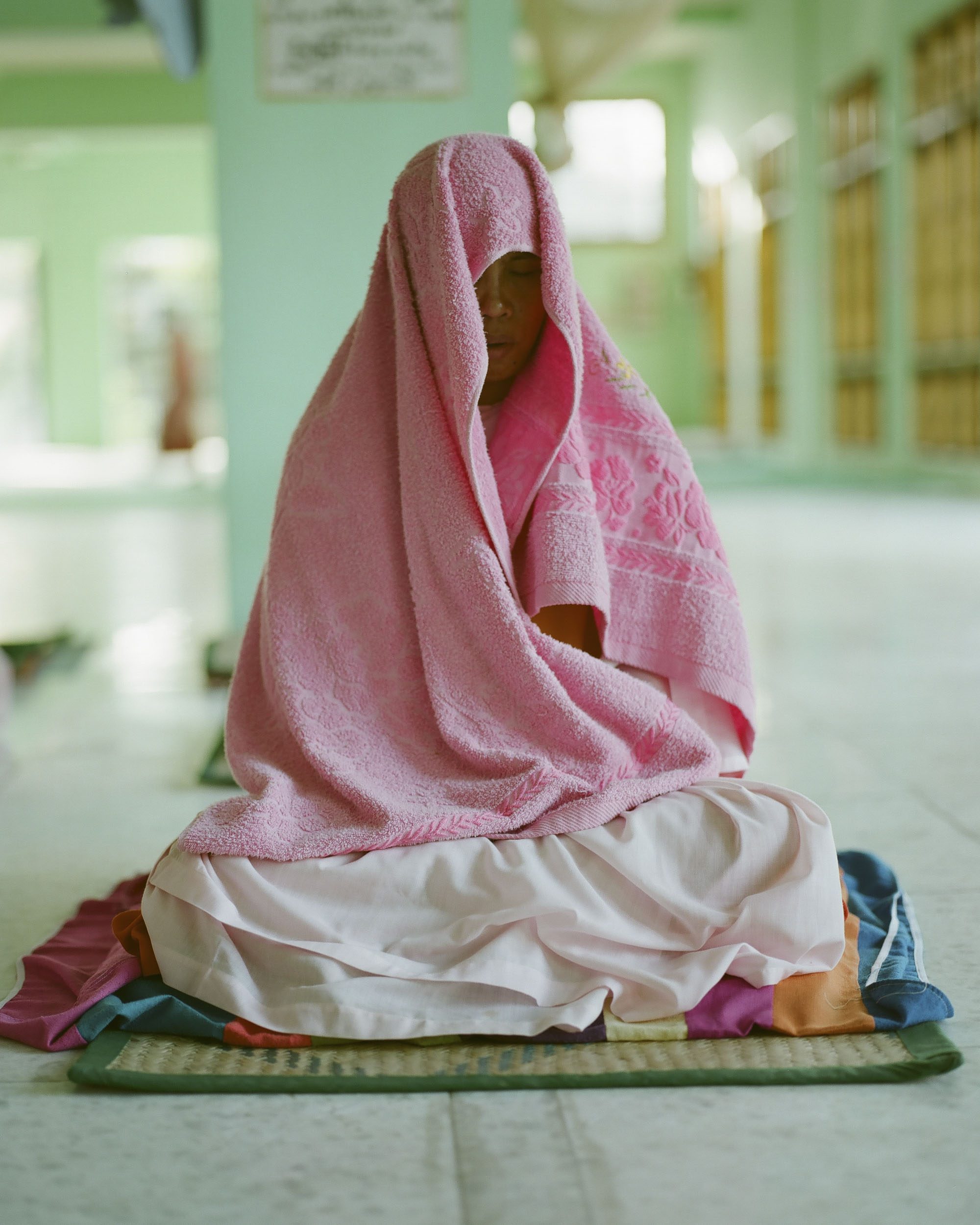
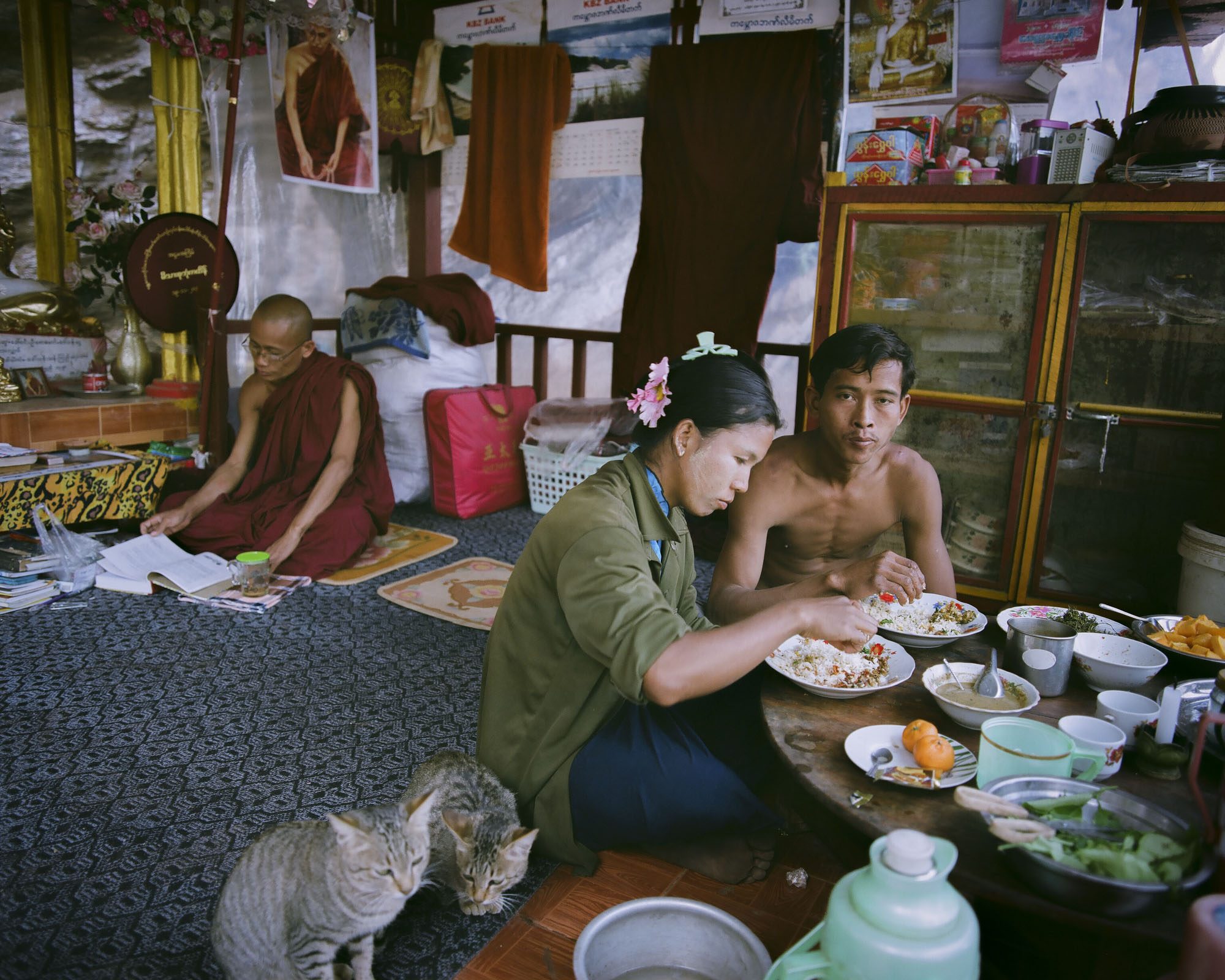
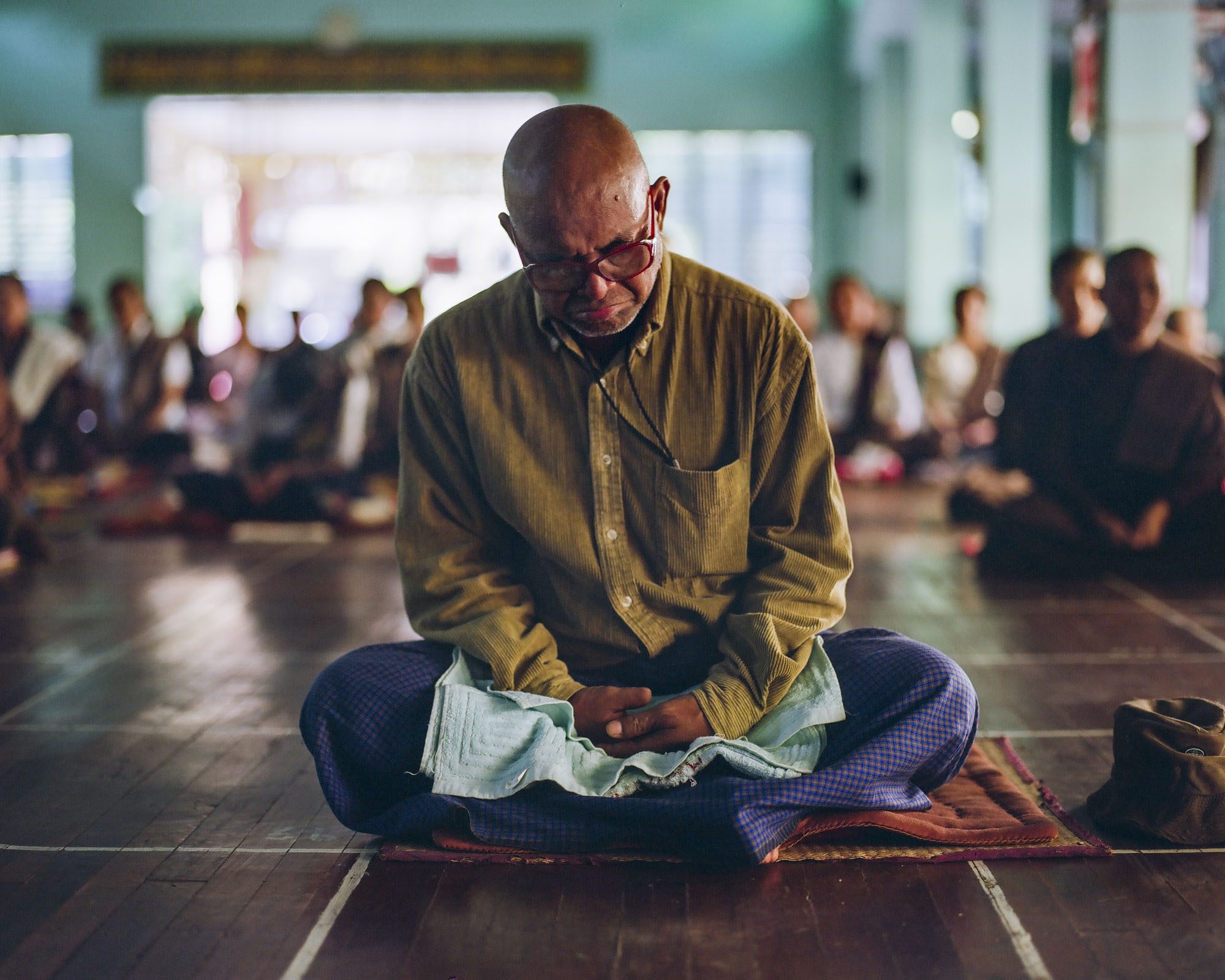
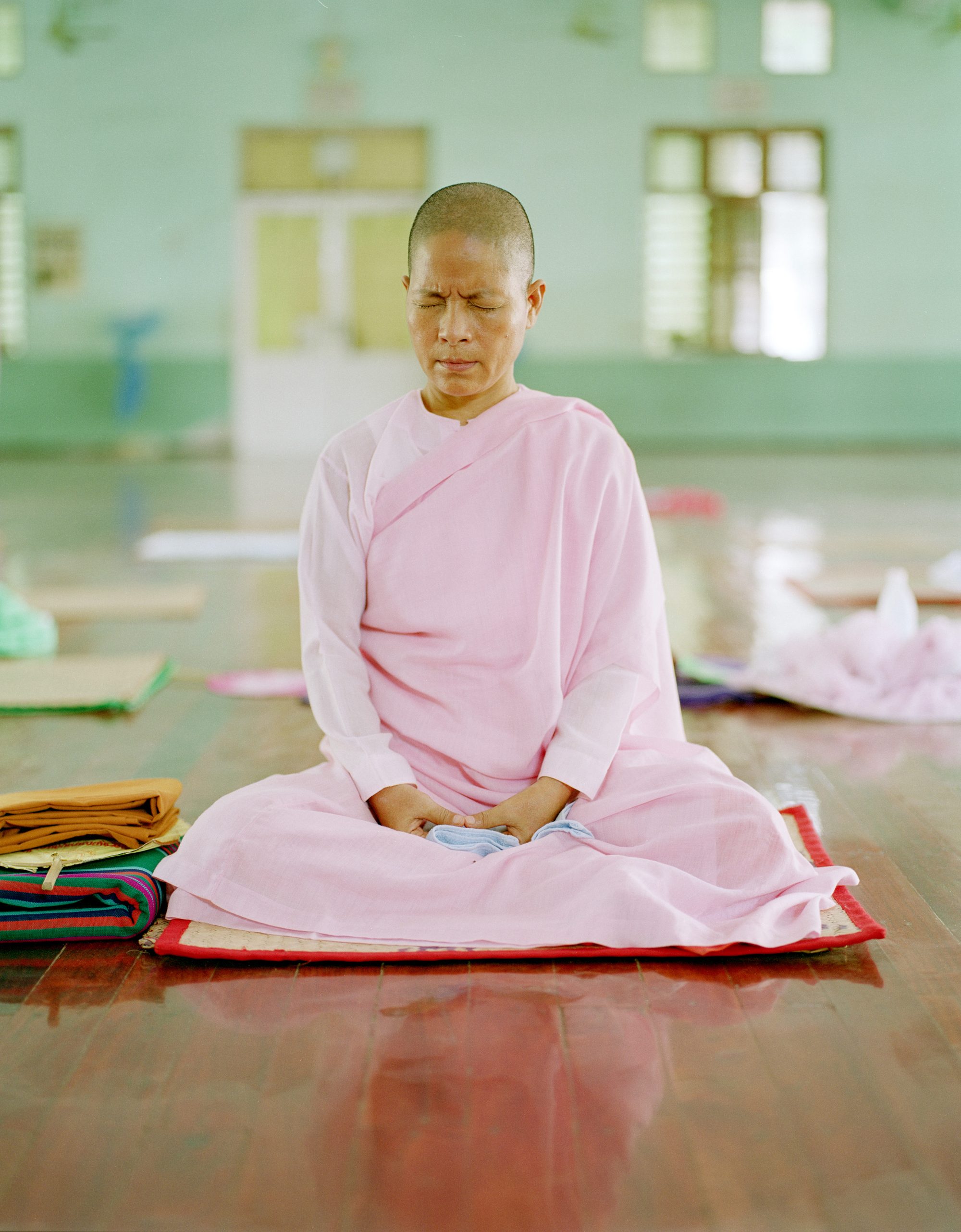
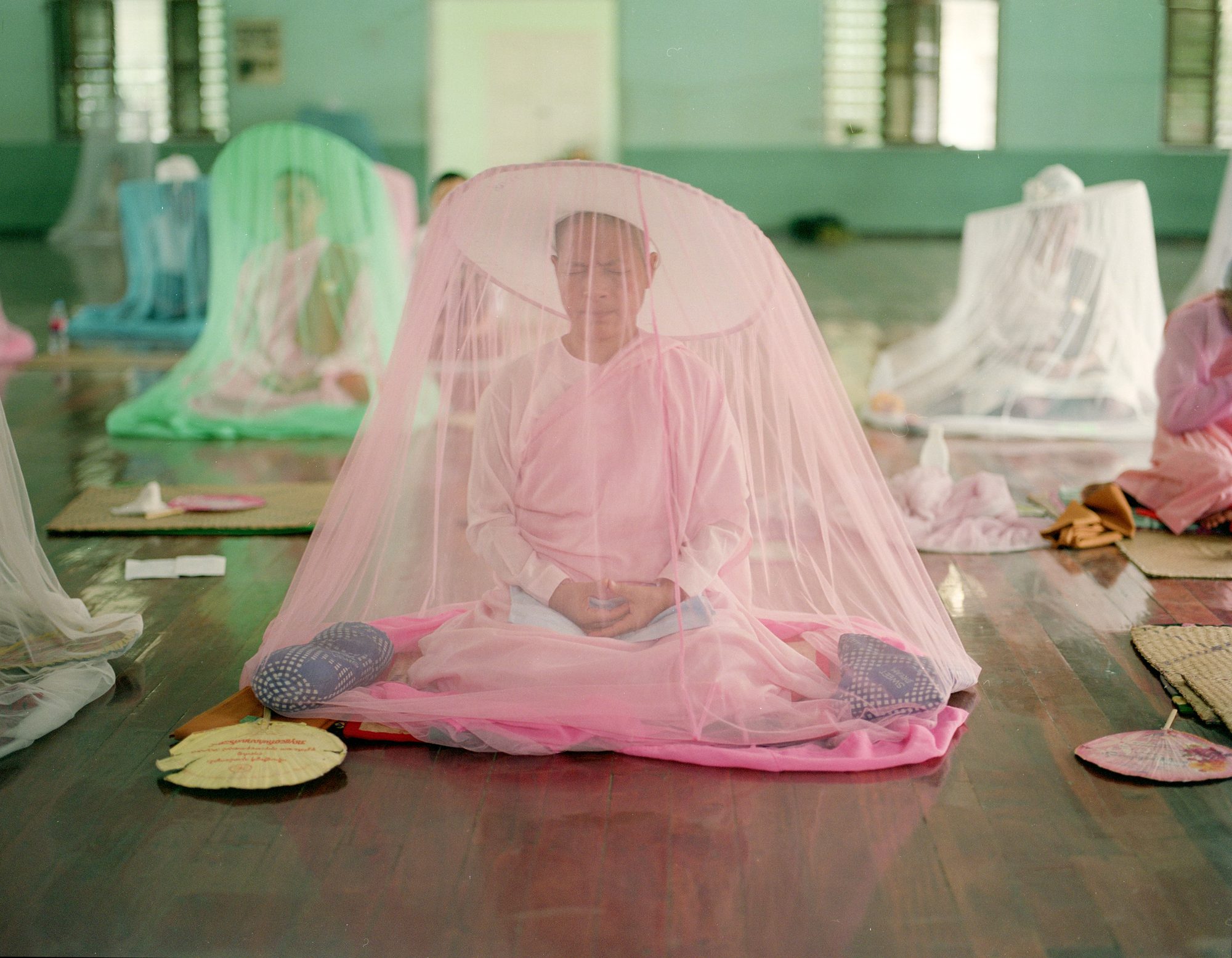
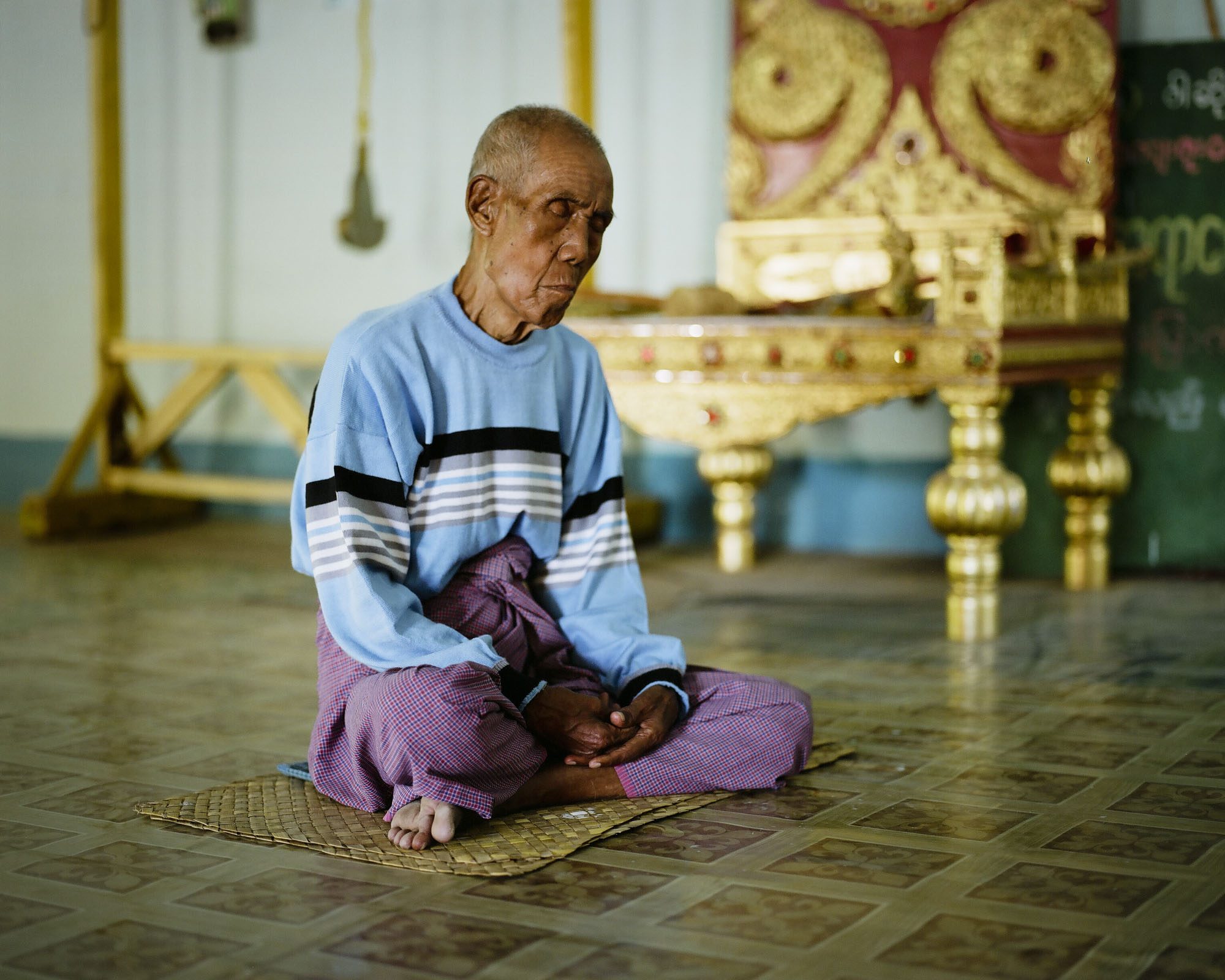
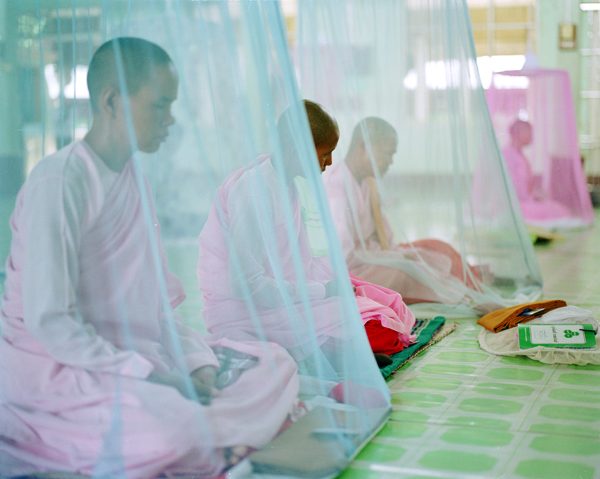
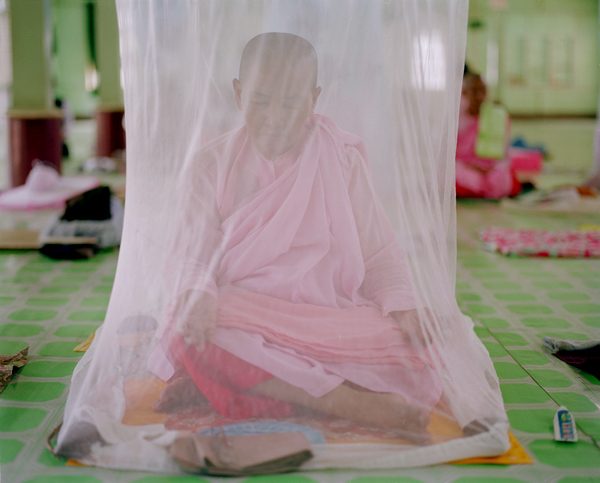
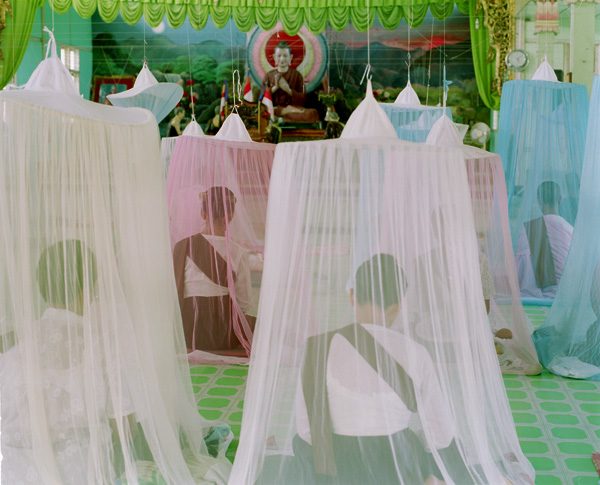
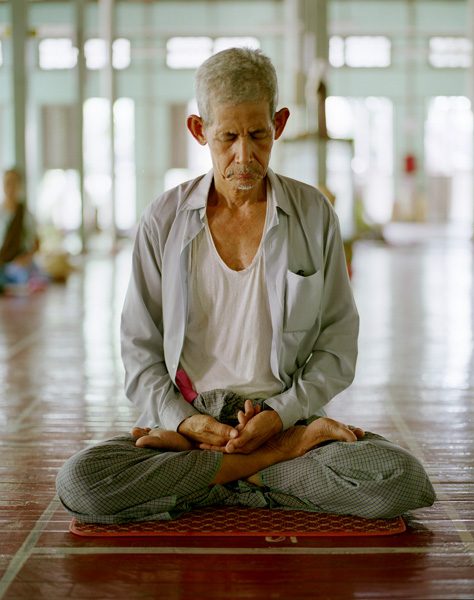
Since the beginning of the twentieth century, photography has transformed Buddhist representation and added a documentary dimension to the image of meditation. To photograph wise men and teachers is a natural act of a devotee. The photographed person usually poses in a posture of meditation, and these images are reproduced and spread within the religious community.
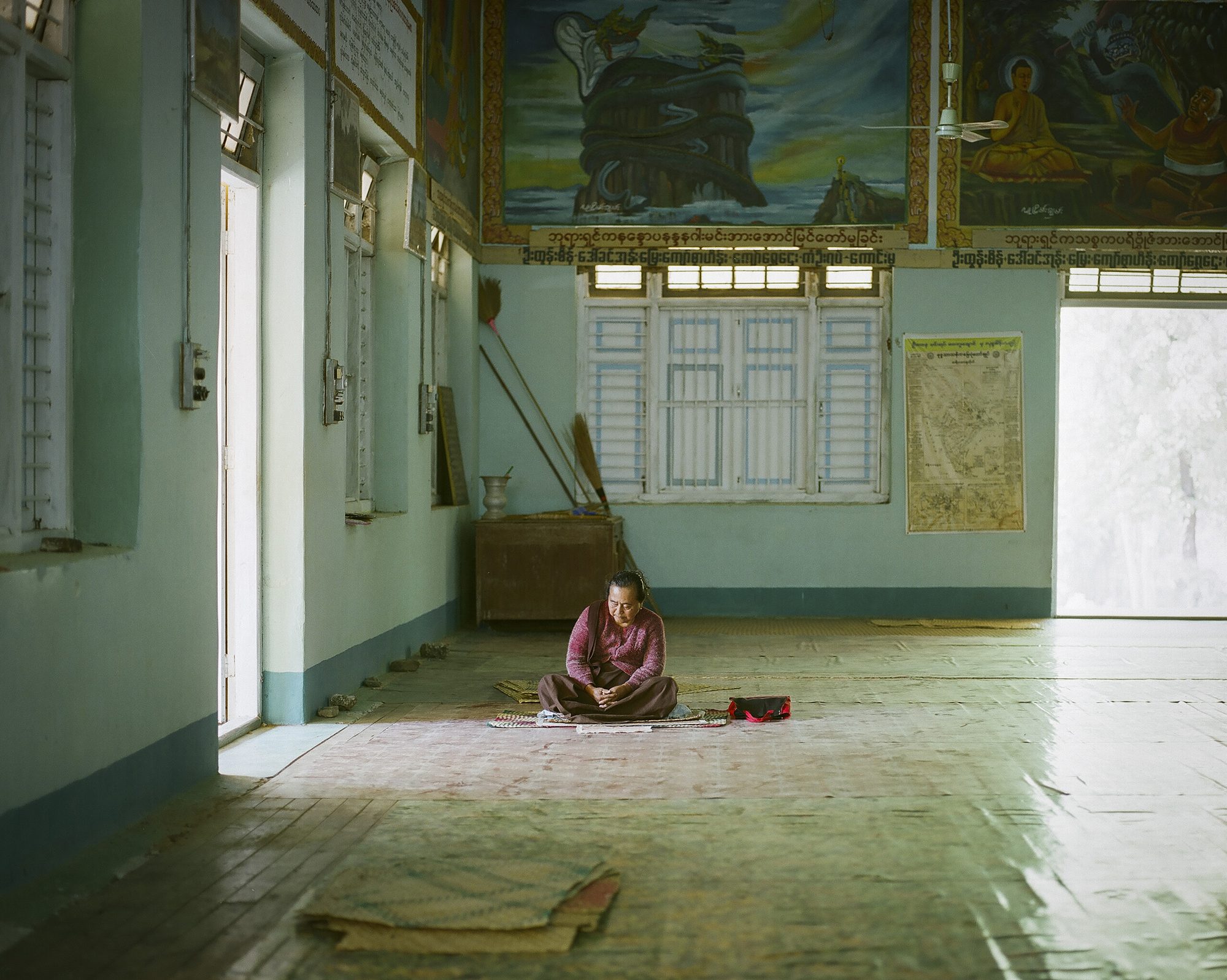
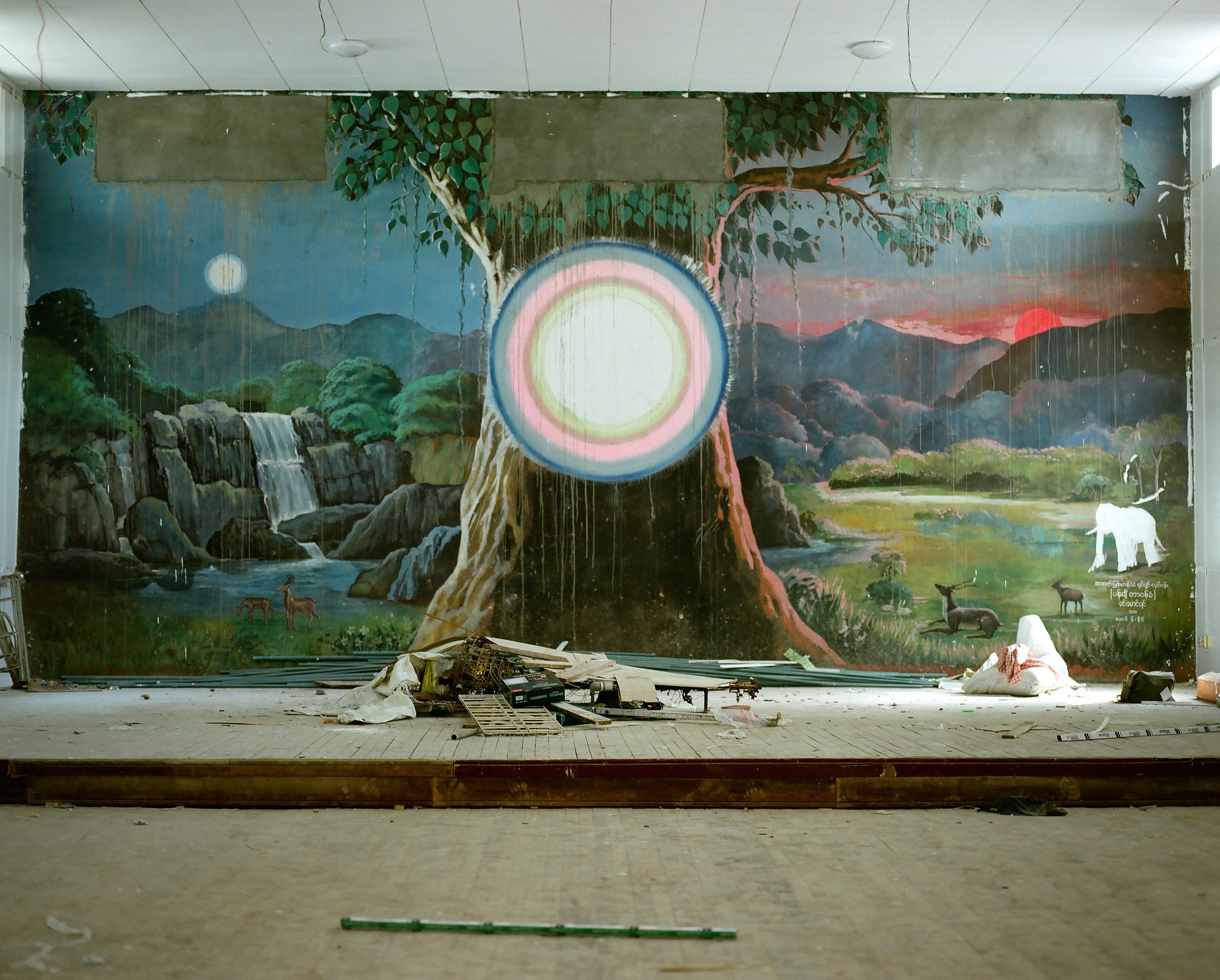
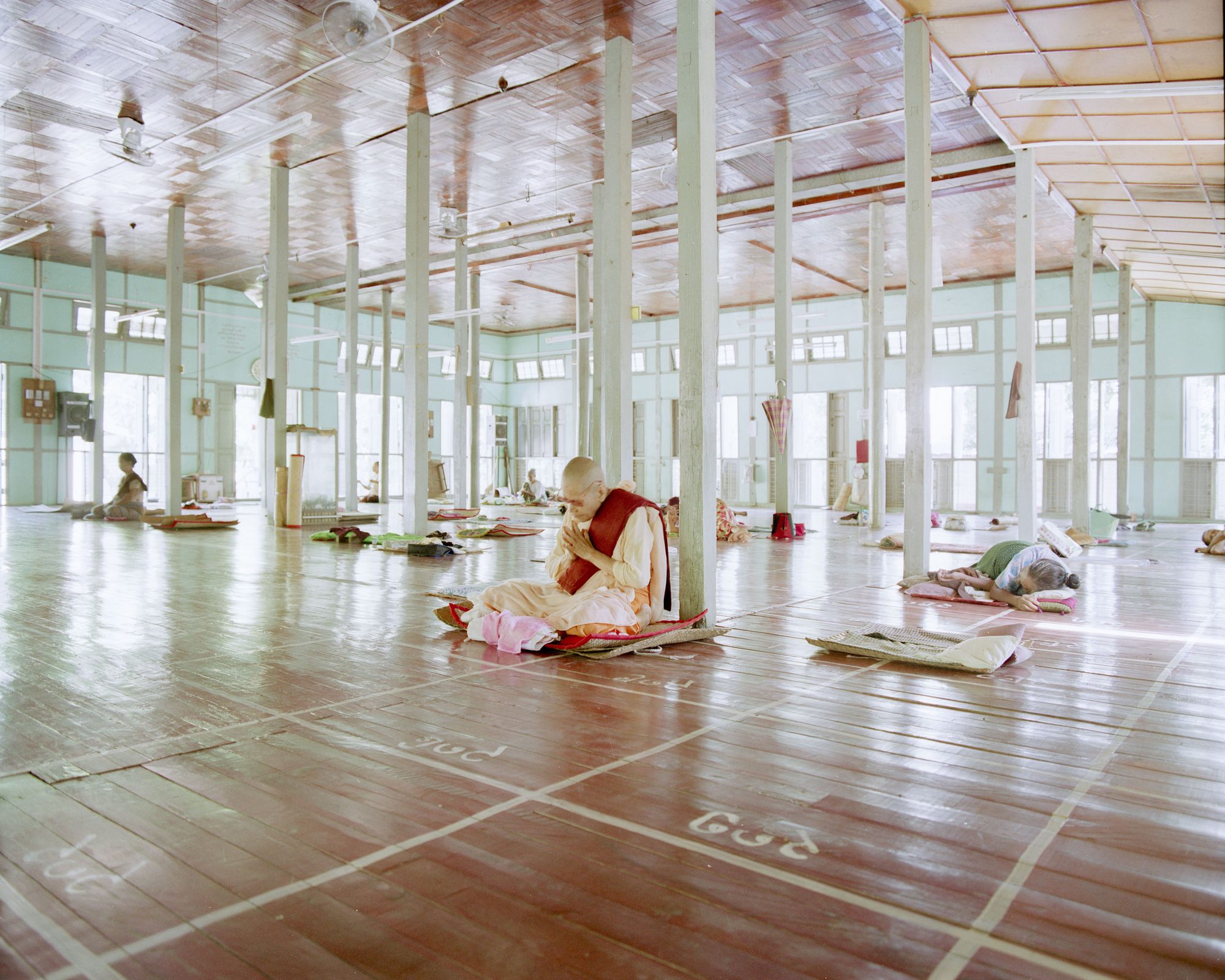
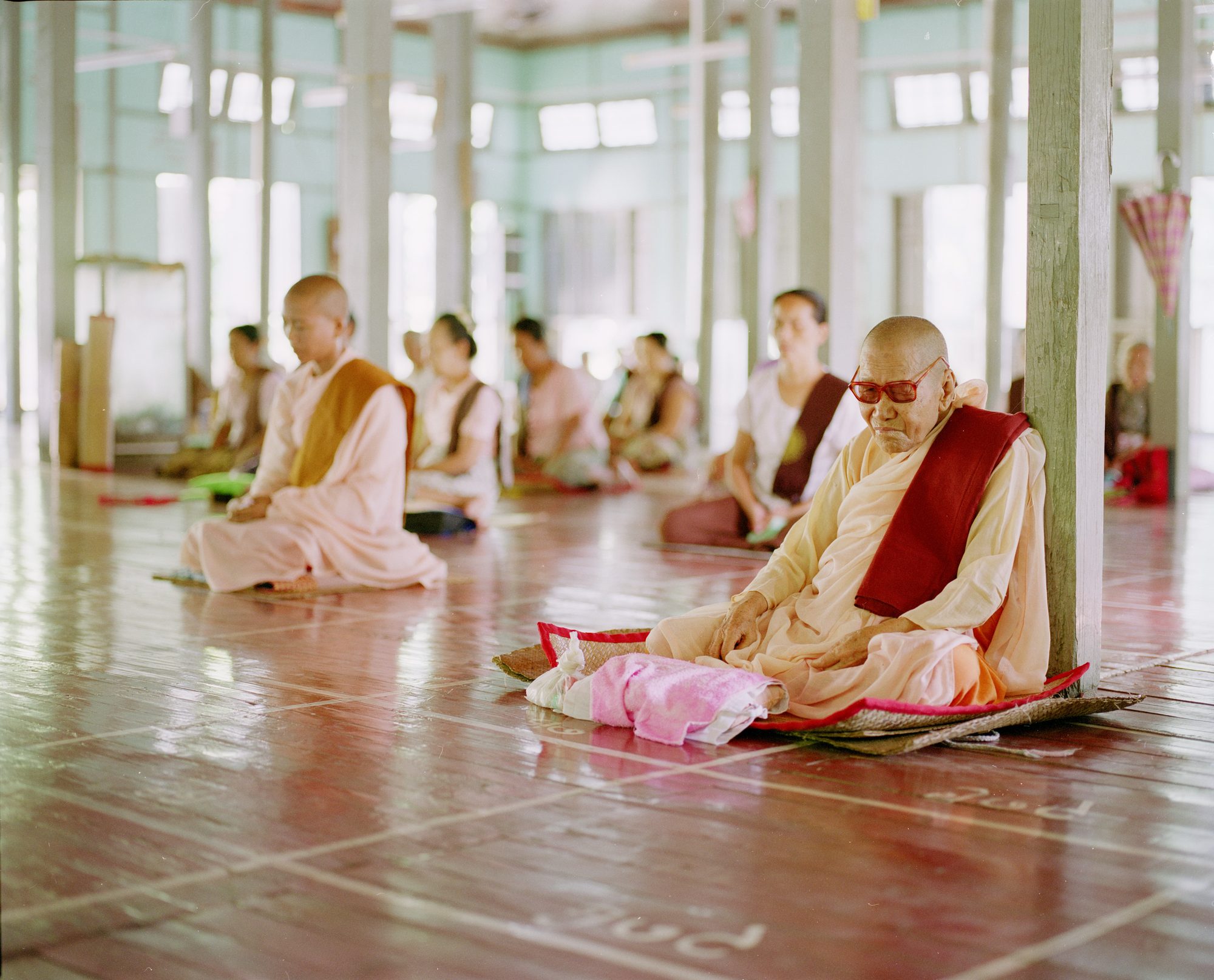
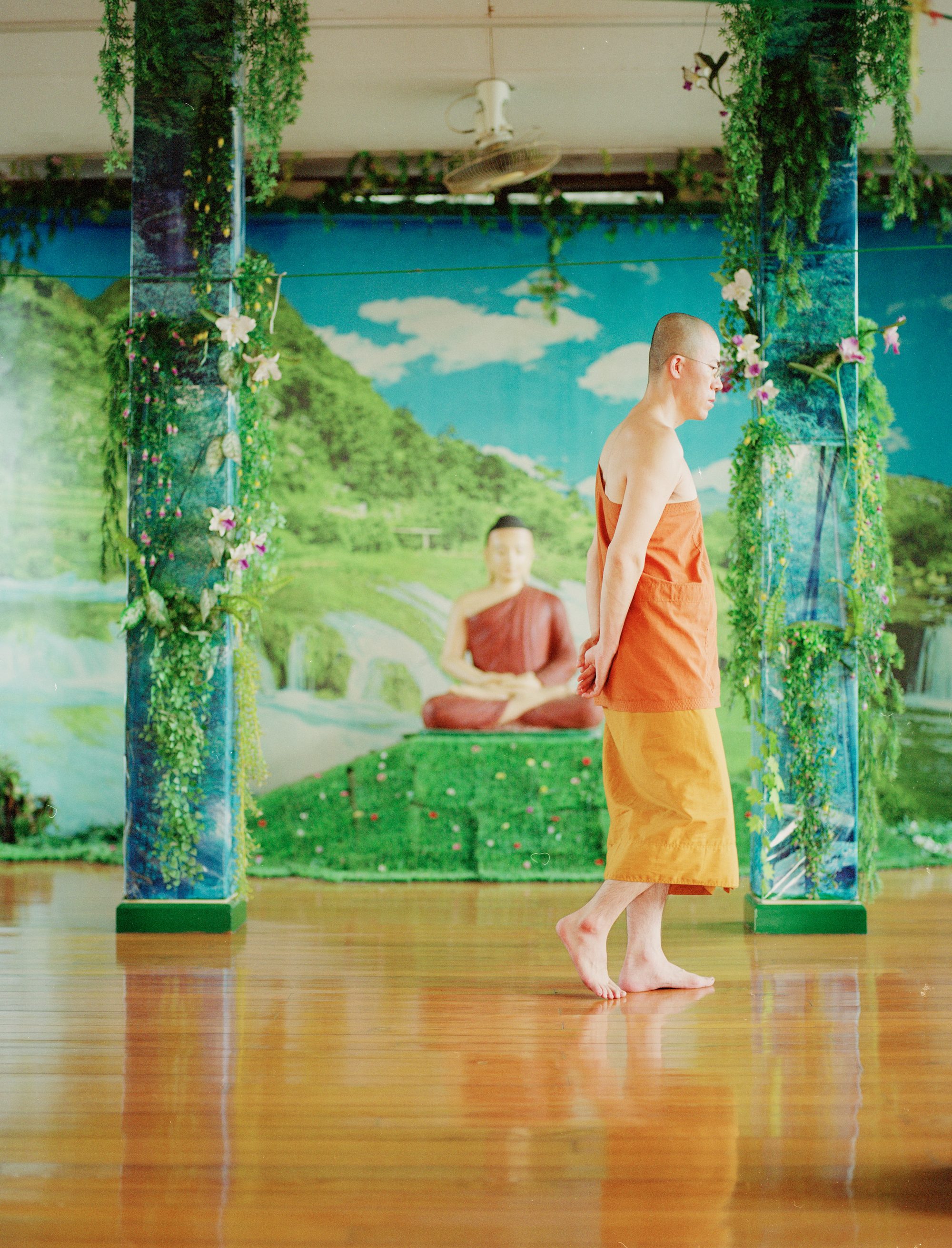
My intention is not to create a series of images of worship. The gap between spiritual experience and its depiction will always remain. A photograph freezes a moment that exists in the past; meditation knows only the present. Insights reflects on our perception of time and on the process of physical and psychic transformation.
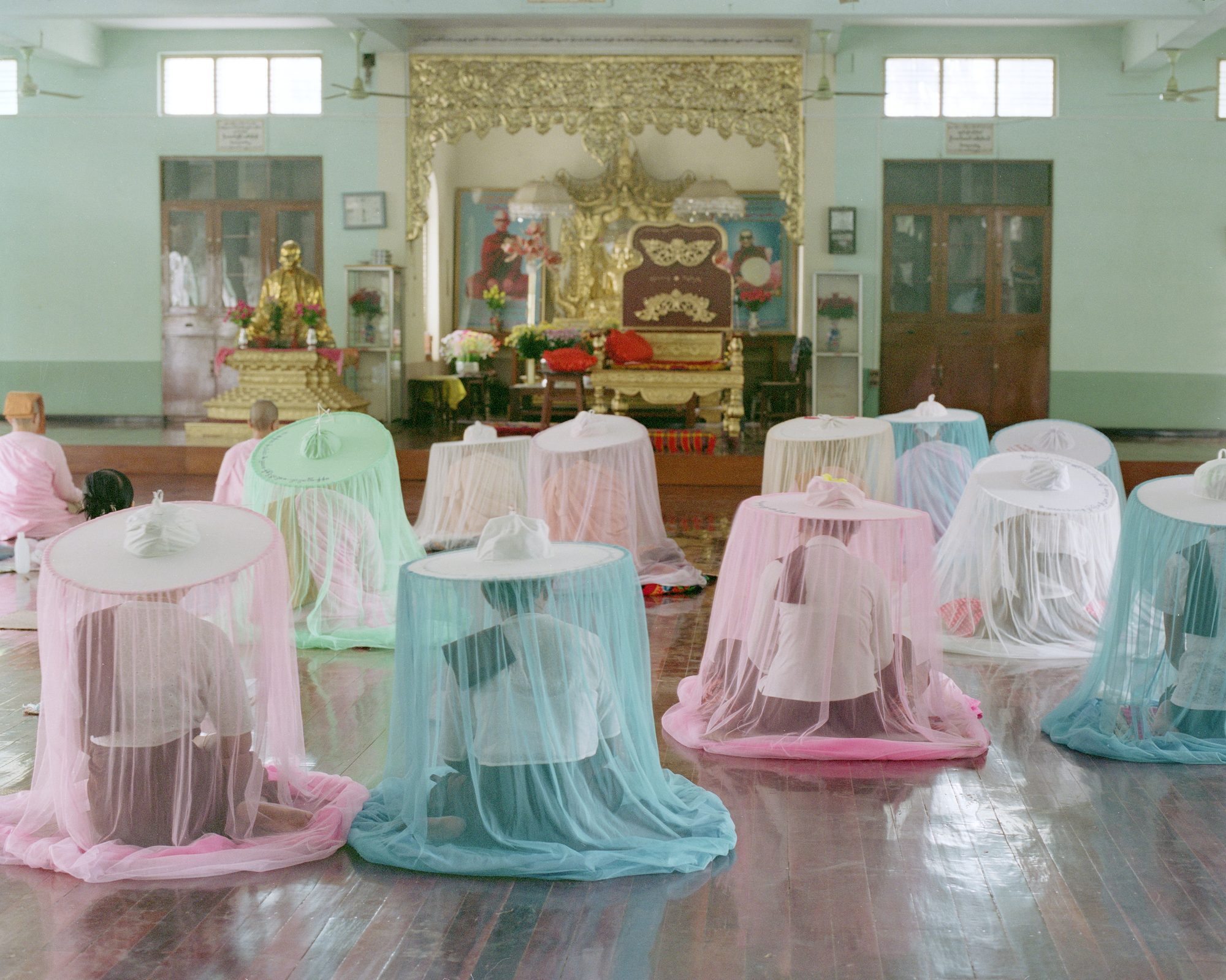
Vipassana means seeing into the true nature of reality. It is one of the most ancient Buddhist meditation techniques, which originated about 2,500 years ago in India and later spread to Burma, where it was preserved. The practitioner sits for an hour or more, observing inner physical and mental phenomena, and develops equanimity.